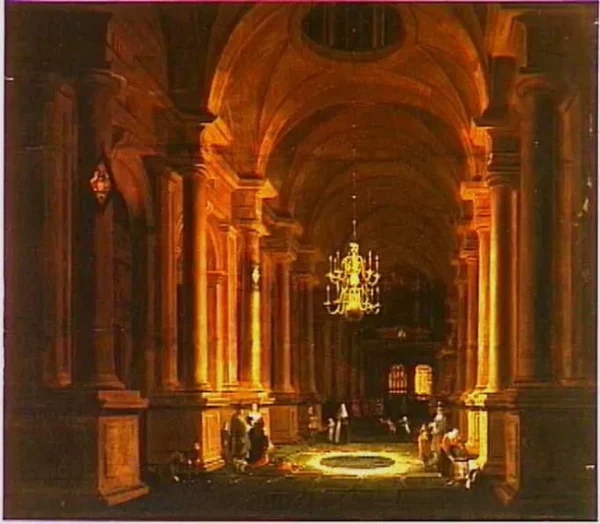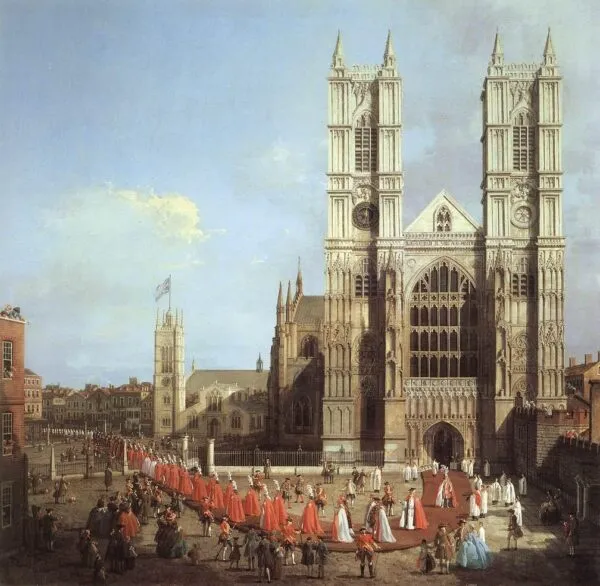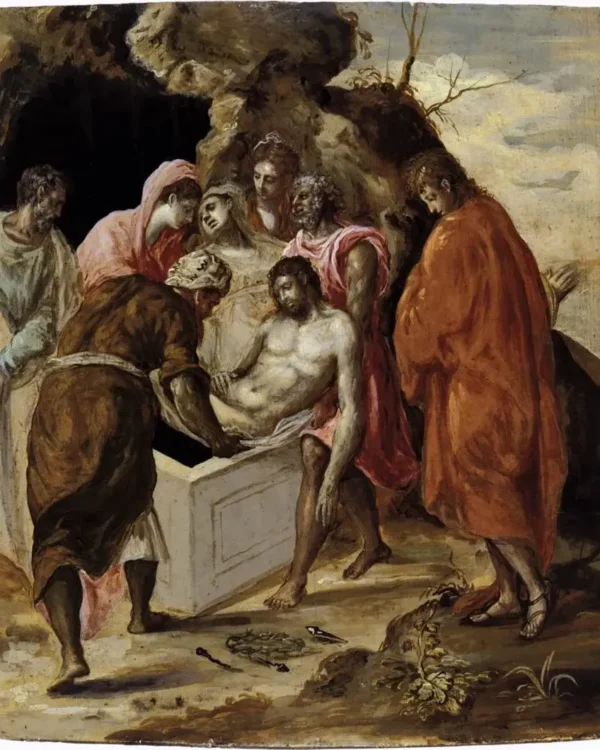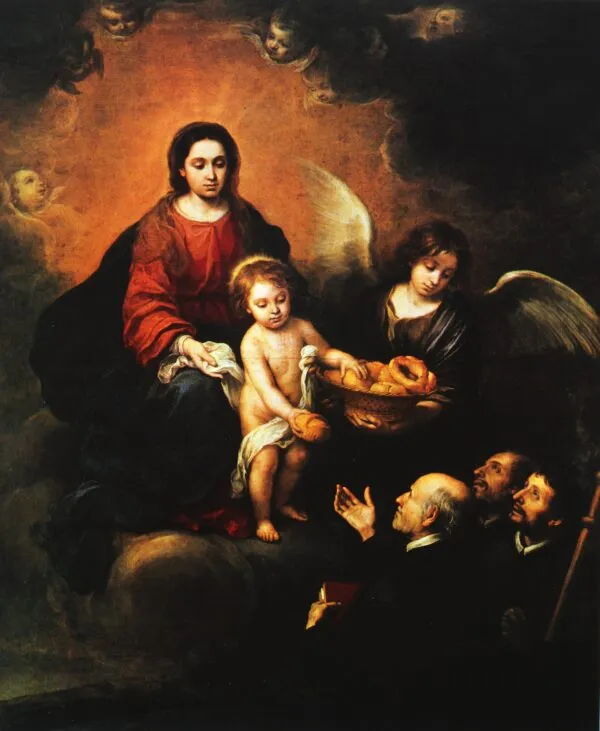
✦ Free shipping worldwide  ·  Art prints and hand-painted oils ✦

TWO MILLENNIA · MANY VOICES

Christianity.
A history in paintings.

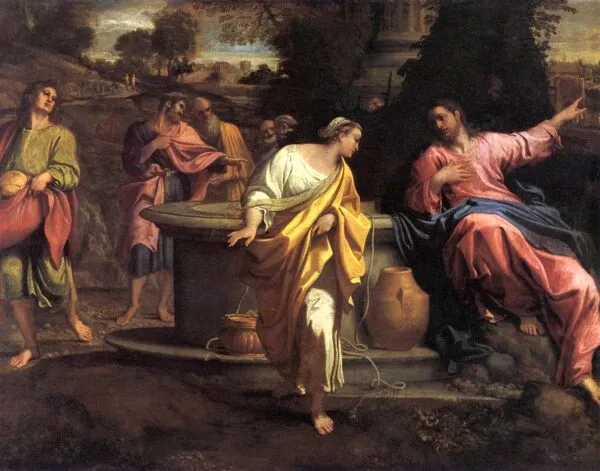
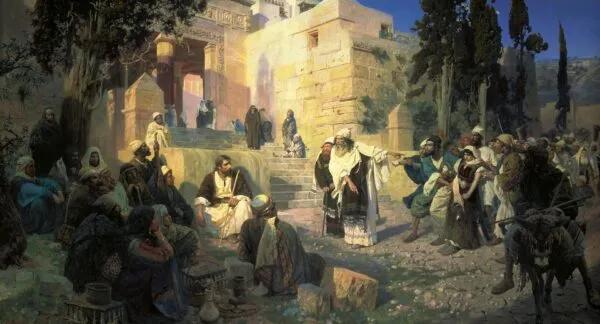
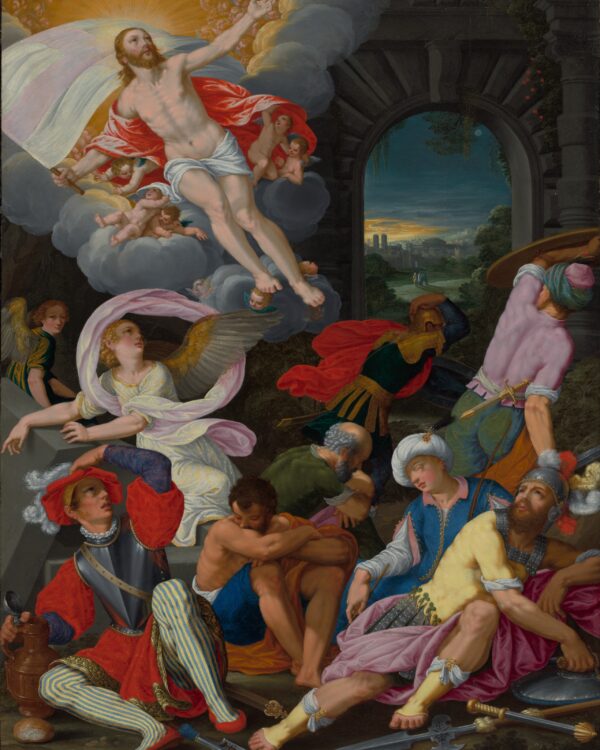
From biblical roots to contemporary dialogue, discover the narratives, divisions and encounters that painters have made visible. Follow the story, or let a painting choose your next chapter.

Begin the journey ↓
20chapters80paintings34painters
✦

A reading journey, not a claim to exhaust every Christian history. The period of a chapter and the date of a painting are different. Click a painting to visit its TPS reproduction; museum links are identified separately.

FOLLOW THE THREAD

One history.
Twenty ways in.

Each chapter opens a longer narrative with four paintings, distinctions between traditions and institutional sources.

14

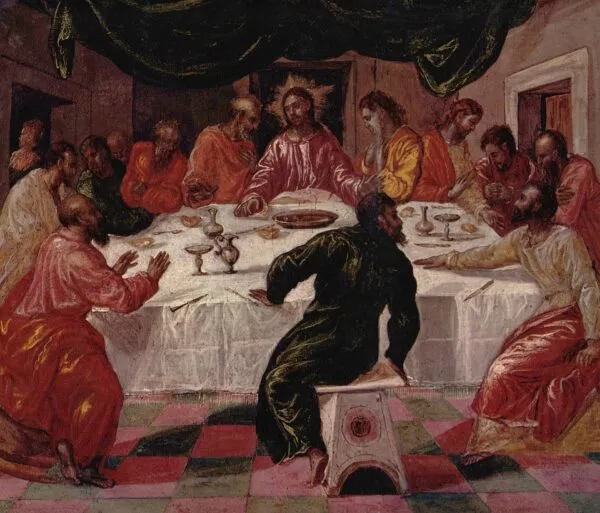
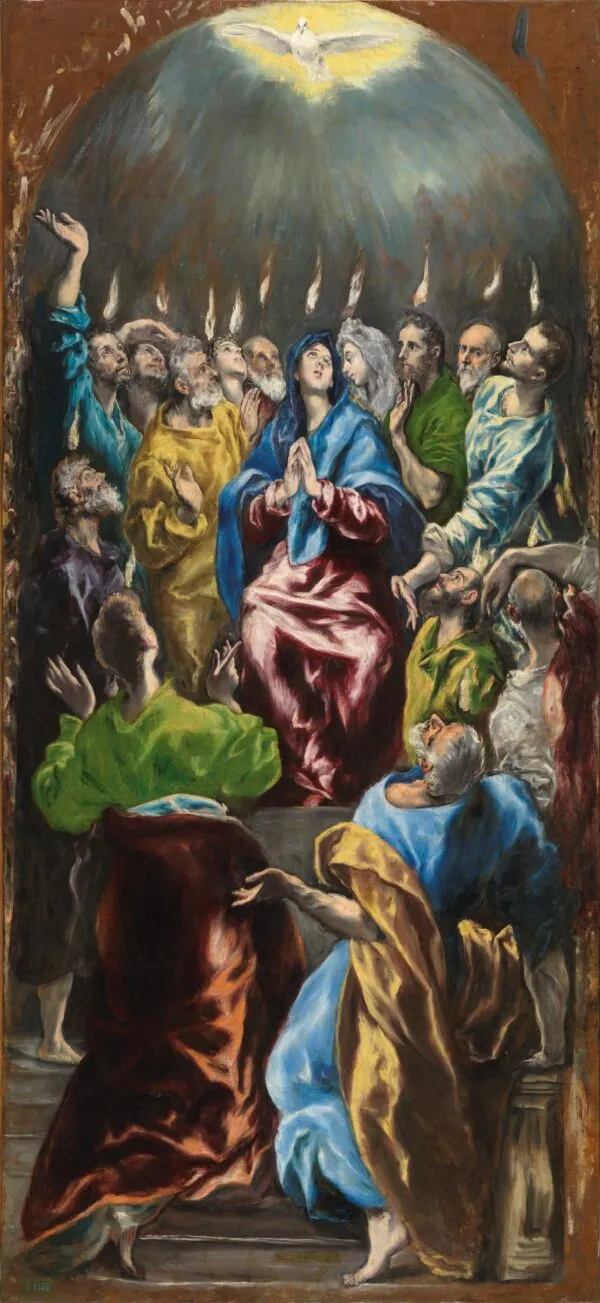
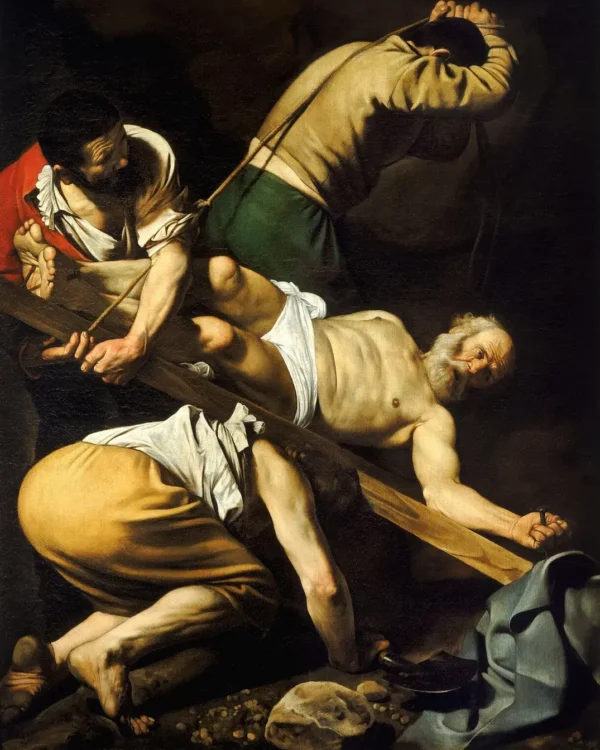
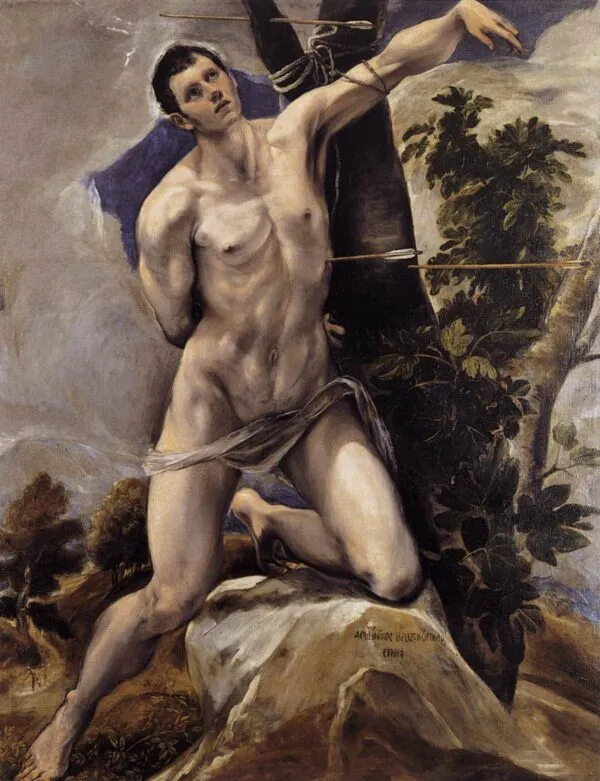
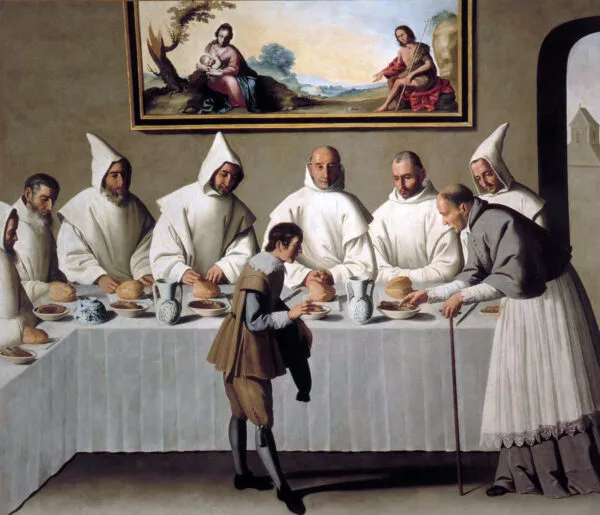
Sixteenth–seventeenth centuries · Catholic reform

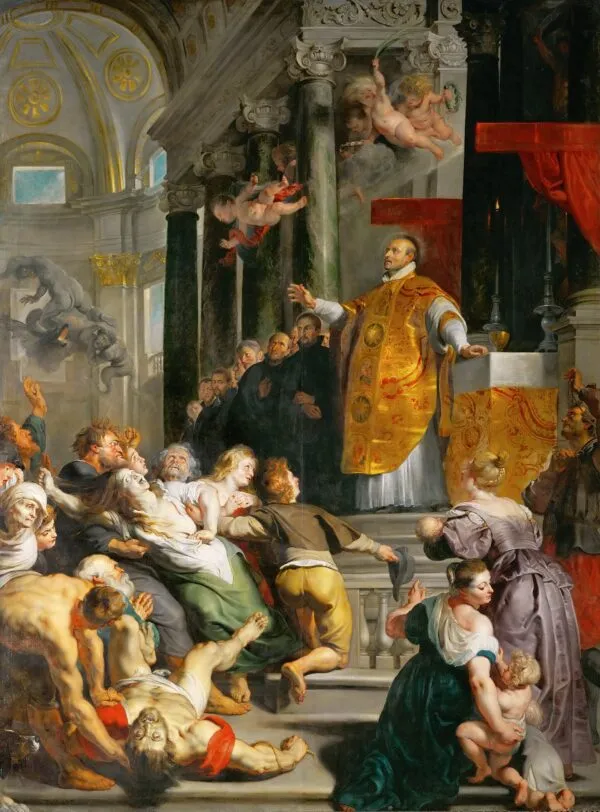
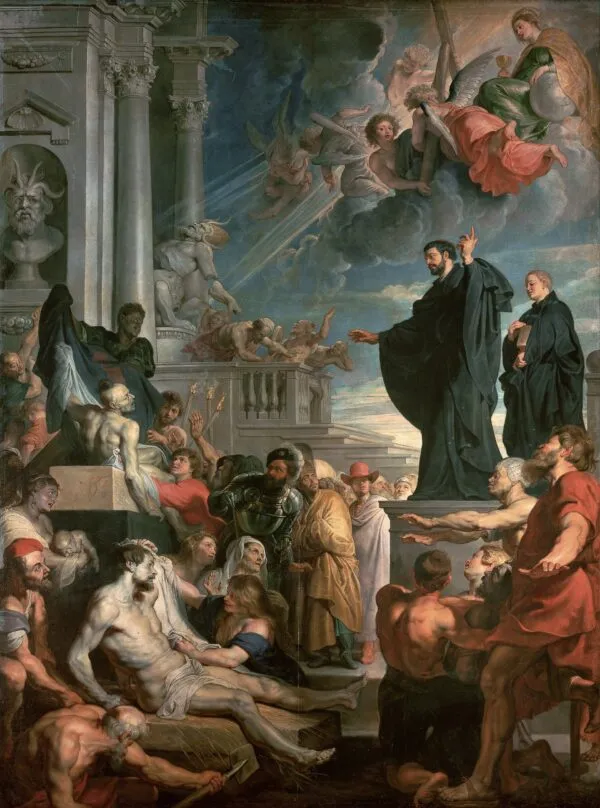
Catholic reform and Baroque intensity

Images teach, move and express belonging within institutions undergoing transformation.

Read the chapter
15

Eleventh–eighteenth centuries · conflicts and coexistence

Religious conflict and learning to coexist

Crusades, confessional divisions, power and everyday life: looking without glorifying violence.

Read the chapter
17

Sixteenth–nineteenth centuries · missions and empires

Missions, empires and travelling images

Spreading faith, translating forms and examining power in encounters between societies.

Read the chapter
18

Eighteenth–nineteenth centuries · criticism and change

Enlightenment, revolutions and conscience

Criticising institutions, retaining faith or reconsidering it: images do not all lead to the same conclusion.

Read the chapter
20

Twentieth–twenty-first centuries · memory and dialogue

Contemporary Christianities, memory and dialogue

Understanding living traditions without reducing them to divisions or declaring them extinct.

Read the chapter

KEEP THE DISTINCTIONS

Shared stories.
Different traditions.

A painter’s style does not establish a viewer’s faith. These are reading keys, not exhaustive definitions of every community.

Catholic traditions

Images accompany liturgy, prayer and the memory of saints. Councils, the papacy and local practices shape this history; doctrinal formulations have their own dates.

Eastern Christianities

Byzantine tradition, Oriental Orthodox churches and the Church of the East are not one undifferentiated group. Languages, councils and uses of images invite distinctions between their histories.

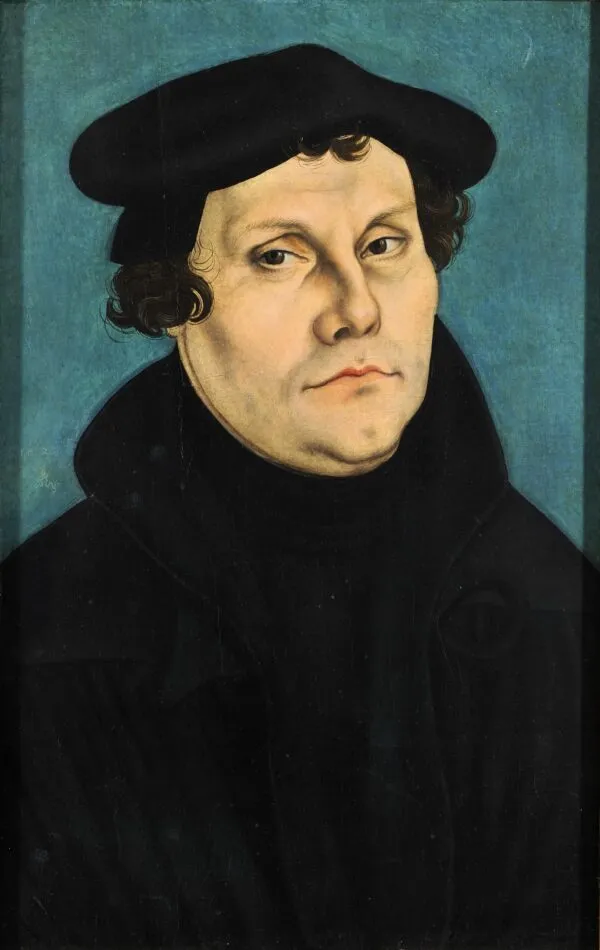
Protestant traditions

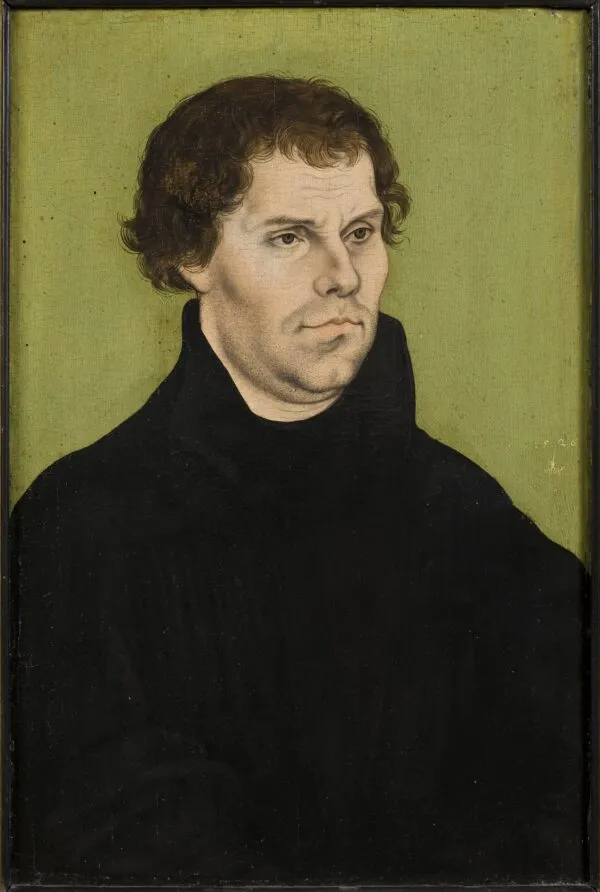
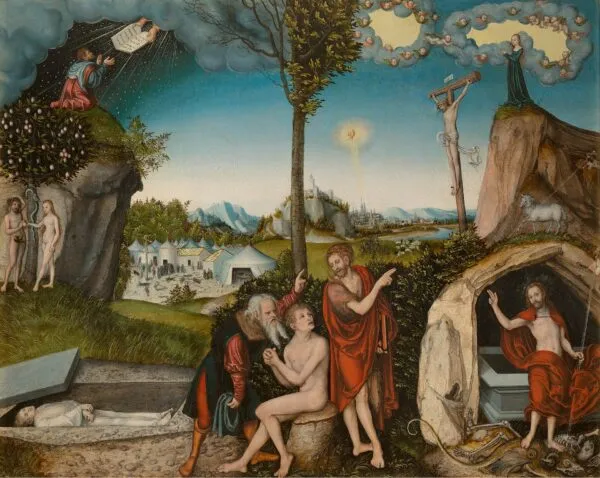
The Reformations give varied answers to the question of images. Some churches greatly restrict them; others retain biblical painting. Lutheran, Reformed and Anglican traditions are not interchangeable.

GO BEYOND THE PAINTING

Museums, archives
& primary sources.

Each chapter cites its own sources. Museum collection links document the original; check the institution’s current display and access information before travelling. Confessional texts are labelled as such rather than presented as neutral accounts.

Before you continue

Do the paintings belong to the period of the narrative?

Not necessarily. A Renaissance painting may interpret an ancient narrative; a nineteenth-century painting may depict a medieval cathedral. Each caption identifies the painting’s date.

Where does a painting link lead?

To its The Painting Studio reproduction page. Museum entries and collections are linked separately in the chapters, to study the original and plan a possible visit.

Is this only a Catholic history?

No. The journey distinguishes Catholic readings, Eastern Christianities, Protestant traditions and ecumenical approaches. Confessional sources are labelled; no painting summarises every tradition.

What do paintings in contemporary chapters represent?

Themes reconsidered in the present: hospitality, conscience, encounter and dialogue. Older paintings are not presented as archival images of twentieth-century councils or events.

Join Our Gallery

New artworks and exclusive offers delivered to your inbox.