CHAPTER 05 / 20
Resurrection and the first communities
Easter faith, letters, journeys and communities that were never all alike.
First–third centuries · communities and missions
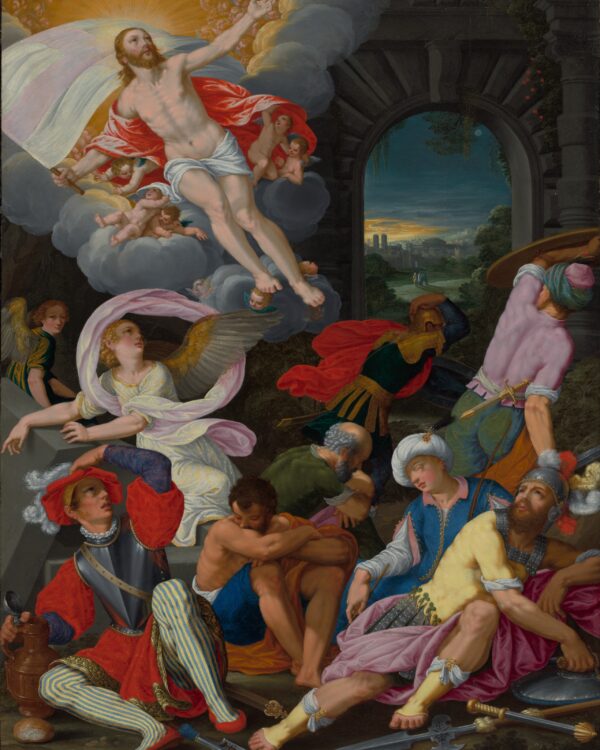
The Resurrection of Christ
Johann König
1622 · painting date
01
The religious centre of the Christian narrative
Faith in Christ’s Resurrection is central to early Christian traditions. Historians can examine the texts recording that faith, their dates, transmission and the practices they sustained. Affirming the Resurrection as an act of God belongs to confession of faith; a painting cannot settle that question by itself.
The narratives include encounters, hesitation and recognition. Thomas’ story invites reflection on testimony, sight and belief. Caravaggio makes the tension visible through touch and faces; Johann König presents the Resurrection through movement and contrasts.
The Resurrection of Christ
Johann König
1622 · painting date
Cleveland Museum of Art
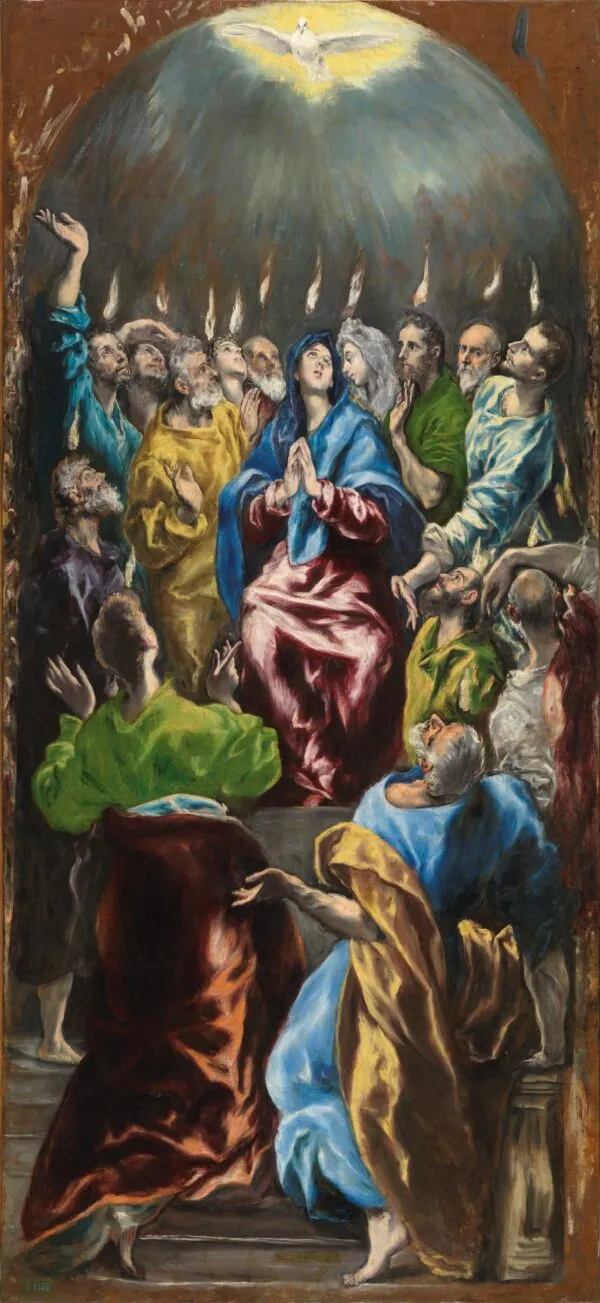
The Pentecost
El Greco
1600 · painting date
Museo del Prado
02
Communities within networks of movement
Letters attributed to Paul and the Acts of the Apostles offer access to debates about mission, communities and welcoming believers from different backgrounds. Genres, authors and perspectives must be distinguished: a travel narrative, a community letter and a later painting are not interchangeable sources.
Mediterranean cities, languages and travel networks contributed to the spread of Christianity. It did not begin as an immediately standardised global institution. Local practices, questions of authority and formulations of belief developed over time.

The Incredulity of Saint Thomas
Caravaggio
1601–1602 · painting date
Sanssouci Picture Gallery

Conversion on the Way to Damascus
Caravaggio
1600–1601 · painting date
Santa Maria del Popolo
03
Paul and Pentecost in artistic memory
Caravaggio’s conversion of Paul concentrates on the body, light and the animal. The selected painting is the Cerasi Chapel version: it must not be confused with his other treatment of the subject. Different artworks retain distinct identities even when their titles resemble one another.
El Greco’s Pentecost uses a gathering of figures and signs of light to interpret the reception of the Spirit in Acts. Christian traditions share the importance of Easter and Pentecost, without necessarily sharing the same calendars, liturgies or emphases.
RESEARCH & FURTHER READING
Sources for this chapter
Museum links accompanying the paintings lead to institutional collection information. Display, loans and access can change; consult the museum before visiting.