The Painter
Édouard Manet
1832–1883 · French · Impressionism
French painter of modern Paris: café-concert girls, boating parties, bullfights and nudes, brushed in broad, flat planes of light and black.
Édouard Manet was born in Paris on 23 January 1832 into a well-connected family. His father, Auguste, was a senior official at the Ministry of Justice, and his mother, Eugénie-Désirée Fournier, was the daughter of a diplomat and goddaughter of the Swedish crown prince Bernadotte. His uncle Édouard Fournier took the boys to the Louvre. Meant for the law, Manet twice failed the entrance examination for the naval school and sailed to Rio de Janeiro as a trainee in 1848-49. In 1850 his father allowed him to enter the studio of Thomas Couture, where he stayed until 1856, copying Titian, Velázquez and other masters at the Louvre and visiting the Netherlands, Italy and central Europe. In 1863 he married Suzanne Leenhoff. In his last years he suffered from locomotor ataxia, and after gangrene set in his left leg was amputated in April 1883. He died in Paris on 30 April 1883, aged 51, and was buried at Passy Cemetery.
Manet drew on the Old Masters, above all Velázquez, Hals and Goya, and applied them to the life of his own day with a direct, flattened manner: broad planes of colour, strong contrasts of light and dark, and brushwork left visible. The Spanish Singer (1860, Metropolitan Museum of Art, New York) brought him his first success at the Salon of 1861. Luncheon on the Grass (1862-63, Musée d'Orsay, Paris), refused by the Salon jury, was shown at the Salon des Refusés in 1863 and caused an uproar. Olympia (1863, Musée d'Orsay), a nude modelled on a Venus by Titian, scandalised visitors when it appeared at the Salon of 1865. In the 1870s, close to Monet, Renoir and Berthe Morisot, his palette lightened and he sometimes painted out of doors. His last major canvas, A Bar at the Folies-Bergère (1882, The Courtauld, London), was shown at the Salon of 1882, and he received the Légion d'honneur in the same year.
Manet never exhibited with the Impressionists, preferring the Salon, yet the younger painters of the Batignolles group looked to him, and he is widely regarded as a forerunner of modern painting. His only formal pupil was Eva Gonzalès, who entered his studio in 1869. He left some four hundred oil paintings, together with pastels and many works on paper, and his friends Zola, Baudelaire and Mallarmé, who defended him in print, helped to fix his reputation after the scandals of his early career. For a painter working in oil today, his pictures offer a great deal to study: black used as a full colour, quick, confident paint laid wet into wet in a single session, and silvery greys, cool whites and fresh flesh tones set against deep, dark grounds.
Reproducing this painter
Impressionist paint is laid in short, separate strokes that the eye mixes rather than the palette, and most of it goes on wet-in-wet in a single session. Reproducing it means committing to the stroke: rework a passage and the colour muddies, and the light dies with it.
Biographical details on Wikipedia.
Works by Édouard Manet we reproduce
-

Luncheon on the Grass
Édouard Manetfrom €98,00 – €812,00 -

Olympia
Édouard Manetfrom €110,00 – €926,00 -

A Bar at the Folies-Bergère
Édouard Manetfrom €101,00 – €845,00 -

The Balcony
Édouard Manetfrom €106,00 – €876,00 -

Music in the Tuileries
Édouard Manetfrom €119,00 – €989,00 -

The Fif
Édouard Manetfrom €128,00 – €1 078,00 -
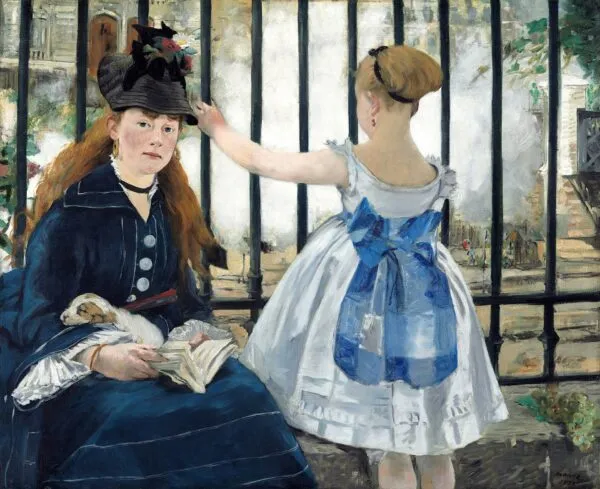
The Railway
Édouard Manetfrom €94,00 – €775,00 -
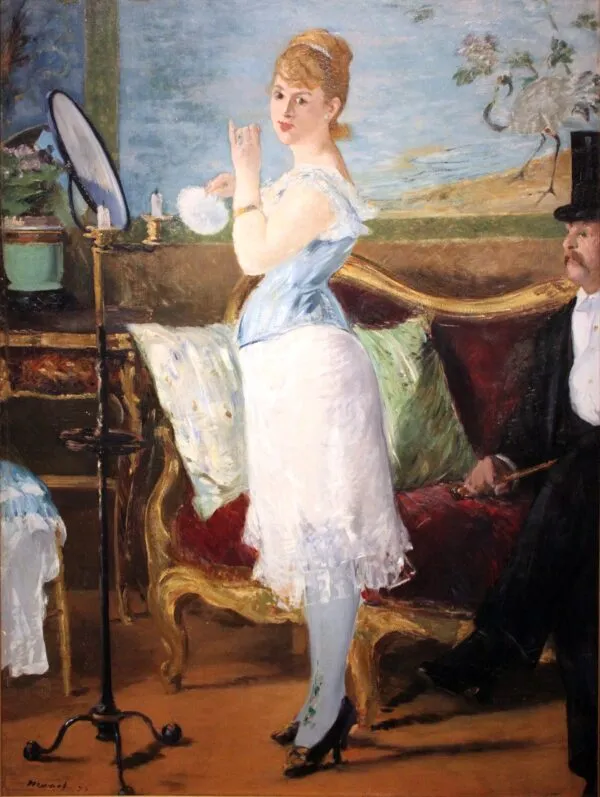
Nana
Édouard Manetfrom €101,00 – €838,00 -
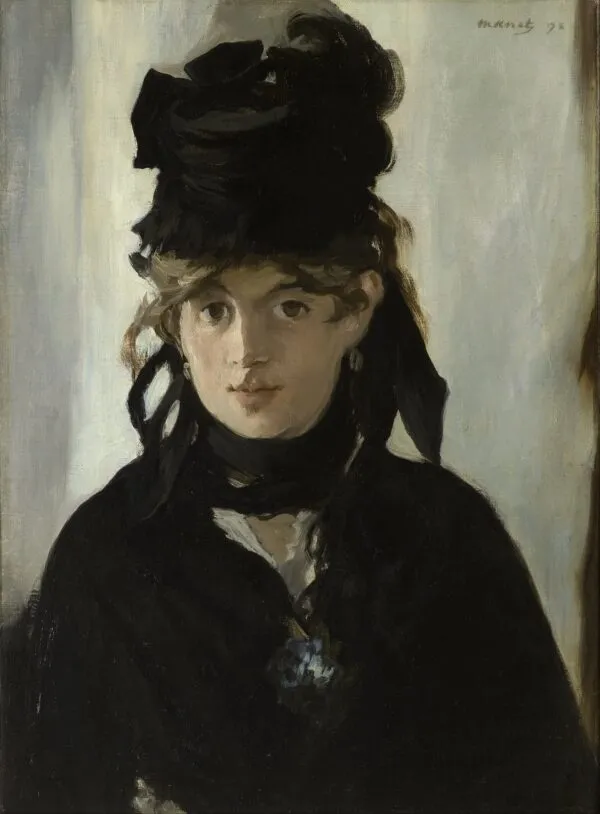
Berthe Morisot with a Bouquet of Violets
Édouard Manetfrom €103,00 – €857,00 -
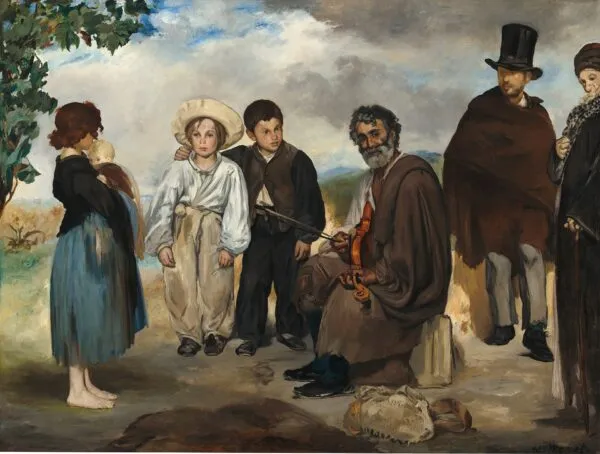
The Old Musician
Édouard Manetfrom €101,00 – €832,00 -

Portrait of Emile Zola
Édouard Manetfrom €98,00 – €826,00 -

Spring
Édouard Manetfrom €108,00 – €913,00
Paintings by Édouard Manet available to order
Any of these can be painted for you by hand. Tell us which one and the size you want, and we will send a quote within 48 hours.
- Luncheon on the Grass
- Olympia
- A Bar at the Folies-Bergère
- The Balcony
- Music in the Tuileries
- The Railway
- The Fif
- Nana