The Painter
August Strindberg
1849–1912 · Swedish · Symbolism, naturalism
Swedish playwright who painted stormy seas, archipelago shores and lonely towns in thick paint laid on with a palette knife.
Johan August Strindberg was born on 22 January 1849 in Stockholm, the fourth of eight children of Carl Oscar Strindberg, a shipping agent, and Ulrika Eleonora Norling, who had worked as a servant in the household. He entered Uppsala University in 1867 and left in March 1872 without a degree, then worked as a journalist and art critic in the capital, where he was among the first in Sweden to follow Impressionism in Paris. He never had formal art training. Painting came to him in bursts, often when a crisis halted his writing: in 1872-1874, in 1892-1894 and again between about 1901 and 1905. He knew painters such as Edvard Munch and Paul Gauguin, though his fame rested on the stage. Some 117 paintings are accepted today. He died in Stockholm on 14 May 1912; his last home, the Blue Tower on Drottninggatan, is now the Strindberg Museum.
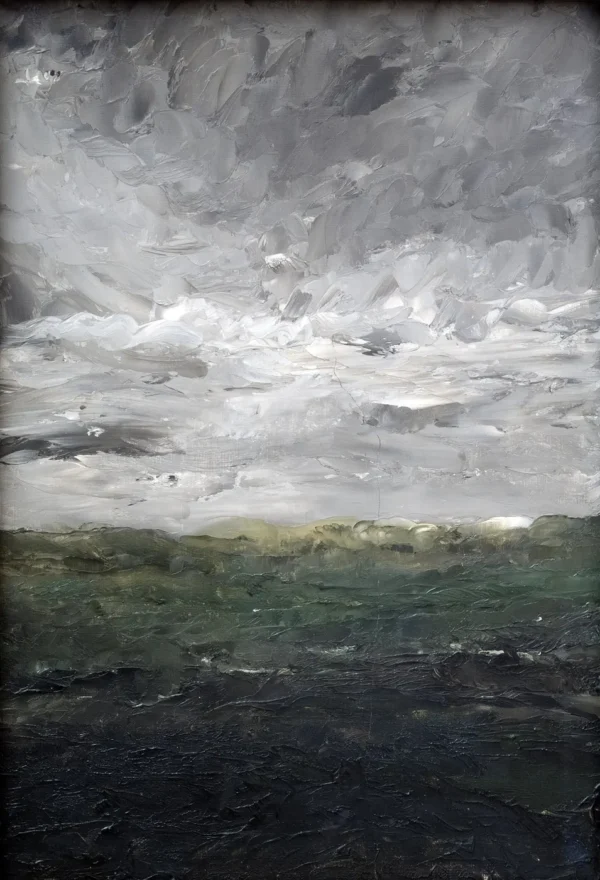
His first landscapes of the 1870s were small and observed; the work of 1892 is far freer. During a summer on the island of Dalarö he painted around thirty pictures on whatever support he could find, using the palette knife in broad strokes and leaving chance to shape sky and water. His seas are not views but improvisations, drawn from memories of the outer archipelago. Rough Sea, Dalarö (1892, Nationalmuseum, Stockholm) and The Wonderland (about 1894, Nationalmuseum) show this method. Around 1900 the waves became almost abstract: Wave VII (1900-1901, Musée d'Orsay, Paris) is built from light and dark grey masses of paint. In The Town (1903, Nationalmuseum) a distant city floats under heavy clouds in white, black and grey, laid on in thick layers.
For most of the twentieth century these pictures were read as a writer's private pastime. The Tate Modern show of 2005, the first major British exhibition of his paintings and photographs, helped to change that, and critics now call him a pioneer of expressionism in Swedish art. Stockholm holds the main groups: the Nationalmuseum, Nordiska museet, which owns nineteen paintings and is the largest holder of his work, and the Thiel Gallery. Painting remained a sideline beside his theatre, yet it was never a minor exercise in method. His seas and skies offer an oil painter a great deal to follow: thick, scraped layers of grey, black and white, a sudden patch of green in a dark scene, and a cold northern light built from the texture of the paint itself.
Reproducing this painter
Symbolist painting is after a mood rather than a scene, and reaches it through colour and atmosphere more than through incident. Much of the effect sits in soft transitions and veiled edges — slow, quiet work to rebuild.
Biographical details on Wikipedia.
Works by August Strindberg we reproduce
-
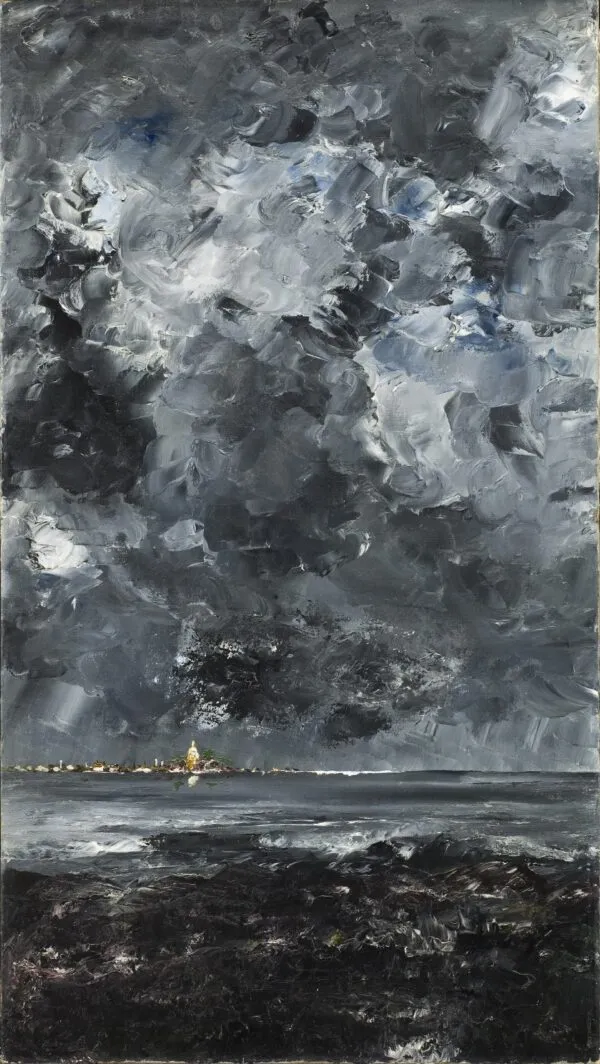
The Town
August Strindbergfrom €133,00 – €1 115,00 -

Wonderland
August Strindbergfrom €103,00 – €870,00 -
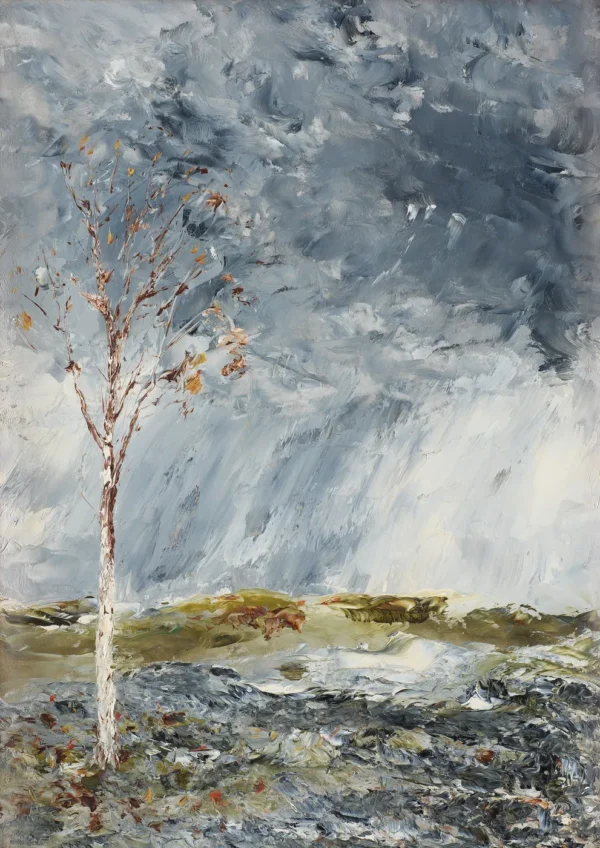
The Birch I (Autumn)
August Strindbergfrom €106,00 – €888,00 -
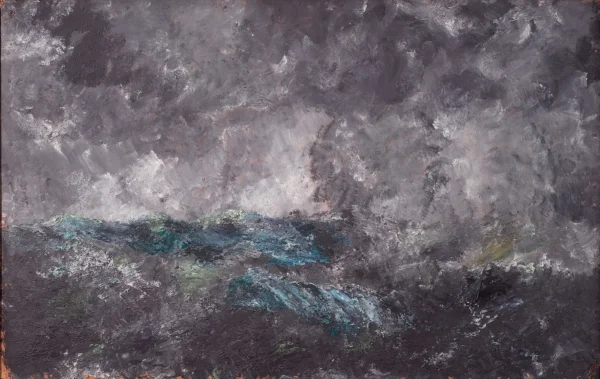
Storm in the Skerries. "The Flying Dutchman"
August Strindbergfrom €121,00 – €996,00 -
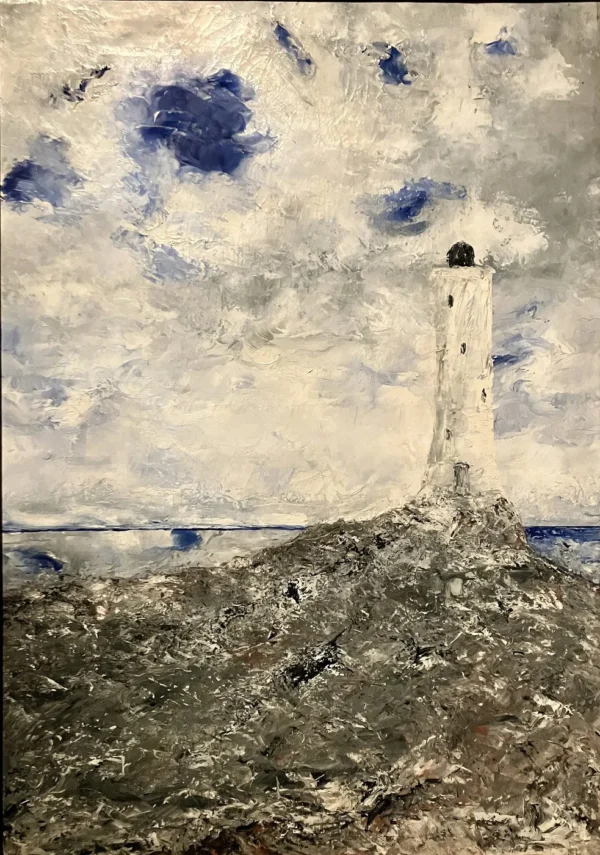
The Lighthouse III
August Strindbergfrom €108,00 – €895,00 -

Marine with rocks
August Strindbergfrom €98,00 – €826,00 -
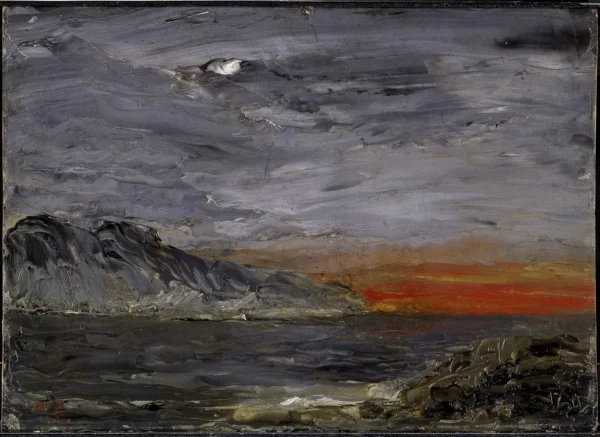
Sunset
August Strindbergfrom €103,00 – €863,00 -
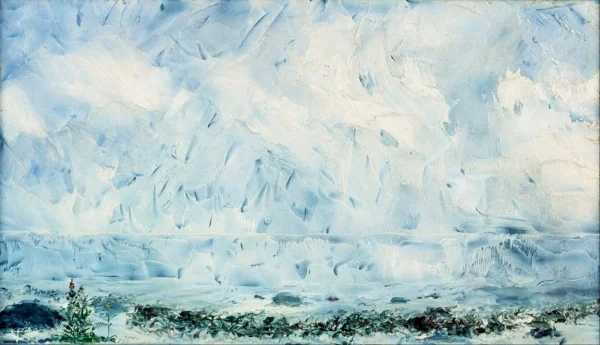
Flower by the Shore
August Strindbergfrom €131,00 – €1 097,00 -
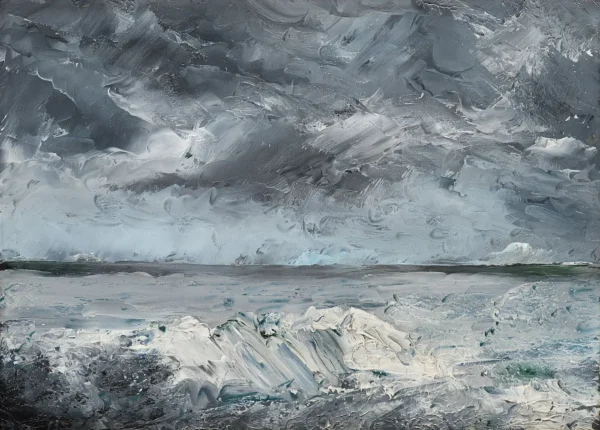
Pack ice on the beach
August Strindbergfrom €106,00 – €882,00 -
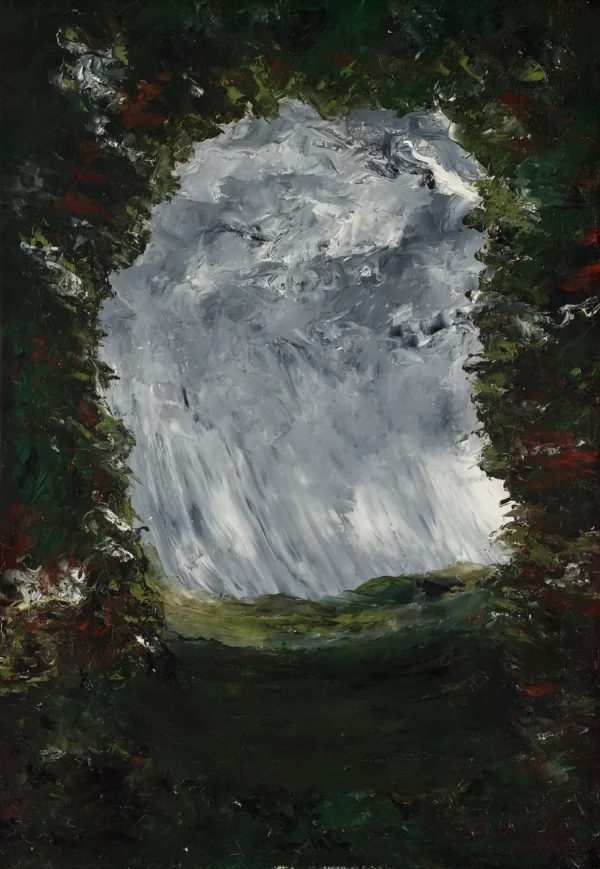
Inferno
August Strindbergfrom €108,00 – €913,00 -

Landscape, seascape: Vågen VIII (Wave VIII)
August Strindbergfrom €108,00 – €895,00 -
Landscape Study The Heath
August Strindbergfrom €110,00 – €926,00
Paintings by August Strindberg available to order
Any of these can be painted for you by hand. Tell us which one and the size you want, and we will send a quote within 48 hours.
- The Town
- Wonderland
- Alley