The Painter
El Greco
1541–1614 · Venetian · Spanish Renaissance, Mannerism
Cretan-born painter of Toledo, known for elongated, flame-like figures in altarpieces, portraits, the stormy View of Toledo and The Burial of the Count of Orgaz.
Doménikos Theotokópoulos was born in 1541 in Candia (modern Heraklion) on Crete, then a possession of the Republic of Venice; a few scholars name Fodele instead. His father was a merchant and tax collector, and his older brother Manoússos also became a merchant. He trained as an icon painter in the Cretan tradition and was recorded as a master painter in 1563. Around 1567 he went to Venice, where he absorbed the colour of Titian, whose disciple Giulio Clovio would later call him, and the dynamic compositions of Tintoretto. About 1570 he moved to Rome and entered the circle of Cardinal Alessandro Farnese, joining the Academy of Saint Luke in 1572. Unable to win major commissions there, he left for Spain and was in Toledo by July 1577. His son Jorge Manuel was born in 1578. He died in Toledo on 7 April 1614 and was buried at Santo Domingo el Antiguo.
In Toledo his manner grew ever more personal, with elongated, contorted figures and a restless handling of colour and light. His first major Spanish commission was The Disrobing of Christ (1577–1579, sacristy of Toledo Cathedral). The Burial of the Count of Orgaz (1586–1588, Santo Tomé, Toledo) sets a crowd of Toledan notables beneath a heavenly court of Christ, the Virgin and saints. He painted View of Toledo (about 1596–1600, Metropolitan Museum of Art, New York) as a stormy landscape of dark clouds, green hills and pale buildings. In his last years he made Laocoön (about 1610–1614, National Gallery of Art, Washington), his only mythological subject, with the city of Toledo glimpsed behind the writhing figures. Philip II disliked the pictures he commissioned for the Escorial, so Toledo's clergy became his chief patrons.
After his death El Greco was largely neglected for more than a century, and early writers such as Palomino and Ceán Bermúdez dismissed his mature work. Romantic critics revived interest in the nineteenth century, and Manuel Bartolomé Cossío published the first full catalogue in 1908. Later painters, Picasso among them, took inspiration from him. In Toledo he ran a large workshop that produced altar frames and sculpture as well as paintings, and he repeated popular compositions in several versions; his son Jorge Manuel inherited the studio and kept reproducing his father's designs. Lawsuits over payment troubled his last years. For a painter in oils who reproduces his work, El Greco offers loose, rapid brushwork, vivid colour set against stormy darks, and tall compositions in which light carries the drama.
Reproducing this painter
Renaissance oil is a slow medium worked in transparent layers, each left to cure before the next. Form is modelled by accumulation rather than drawn, so the work cannot be hurried without showing.
Biographical details on Wikipedia.
Works by El Greco we reproduce
-
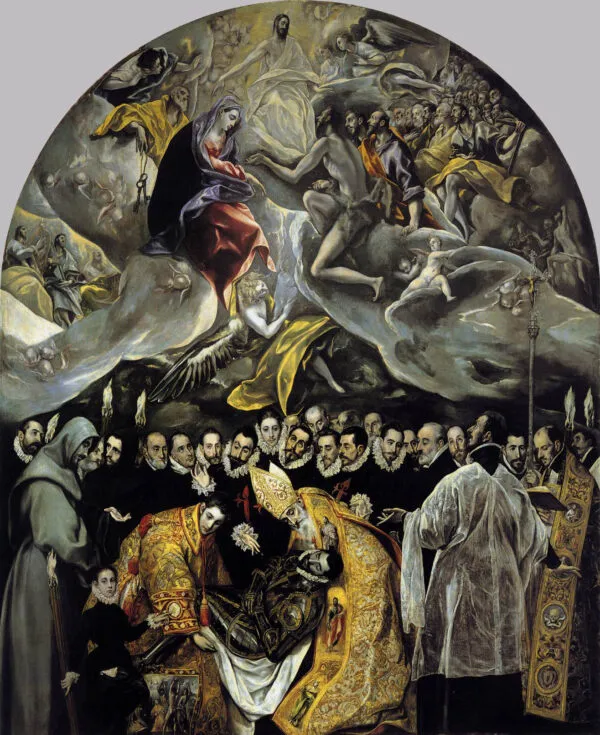
The Burial of the Count of Orgaz
El Grecofrom €94,00 – €769,00 -
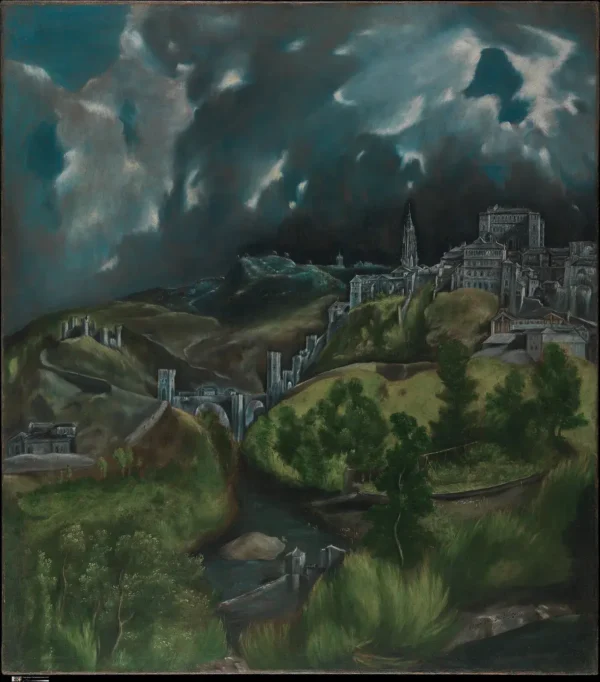
View of Toledo
El Grecofrom €85,00 – €719,00 -
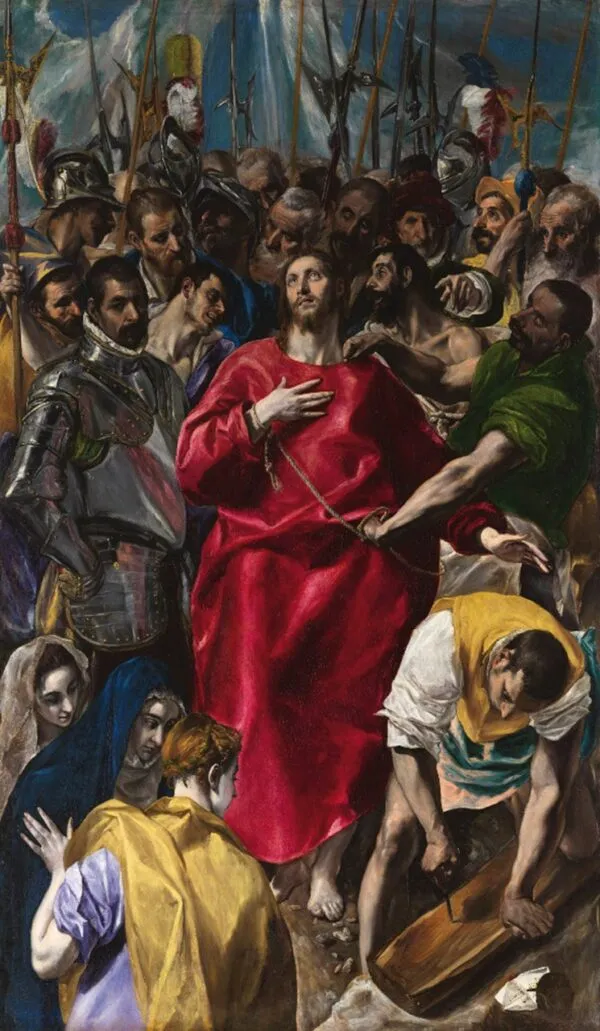
The Disrobing of Christ
El Grecofrom €131,00 – €1 084,00 -
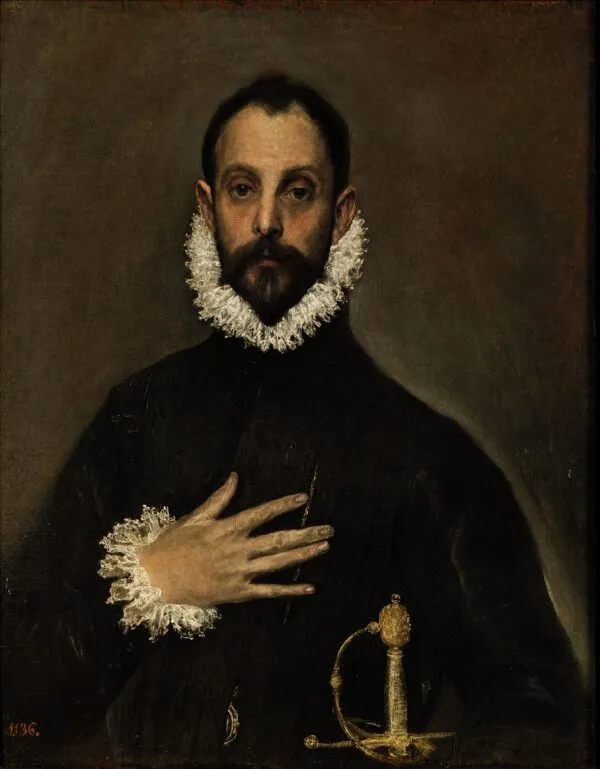
The Nobleman with his Hand on his Chest
El Grecofrom €96,00 – €806,00 -
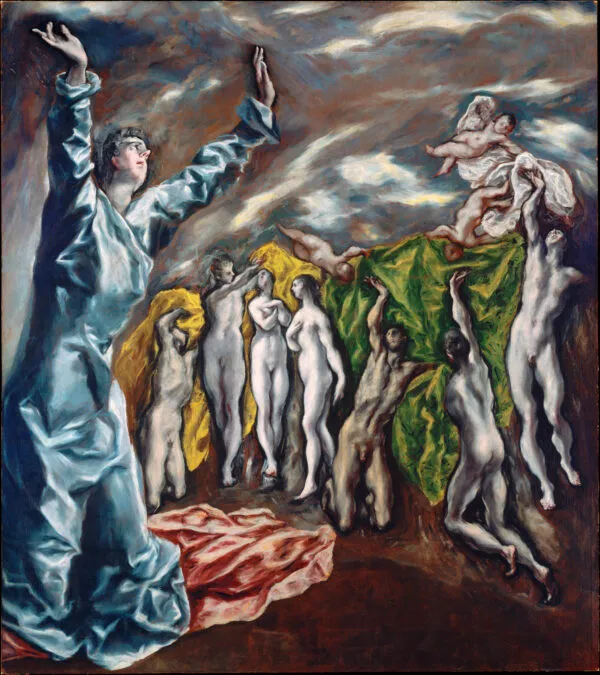
Opening of the Fifth Seal
El Grecofrom €85,00 – €712,00 -
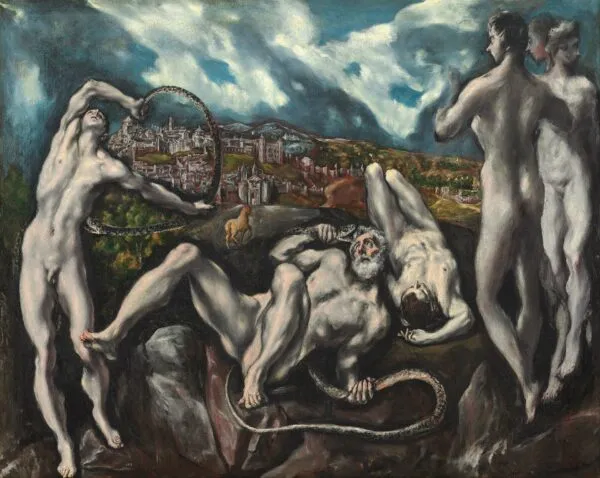
Laocoön
El Grecofrom €96,00 – €794,00 -
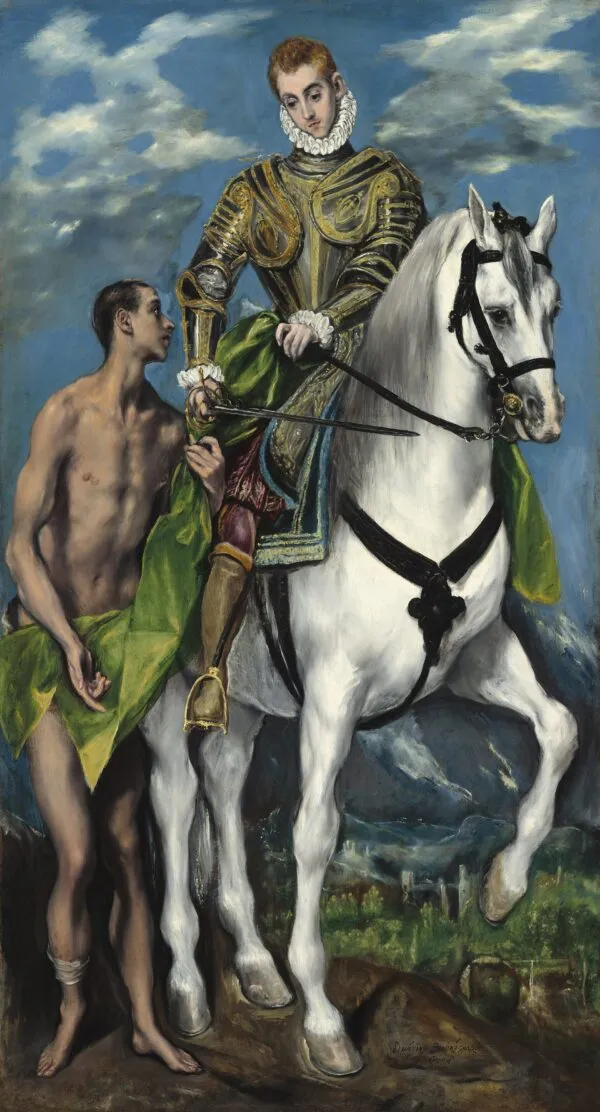
Saint Martin and the Beggar
El Grecofrom €142,00 – €1 165,00 -
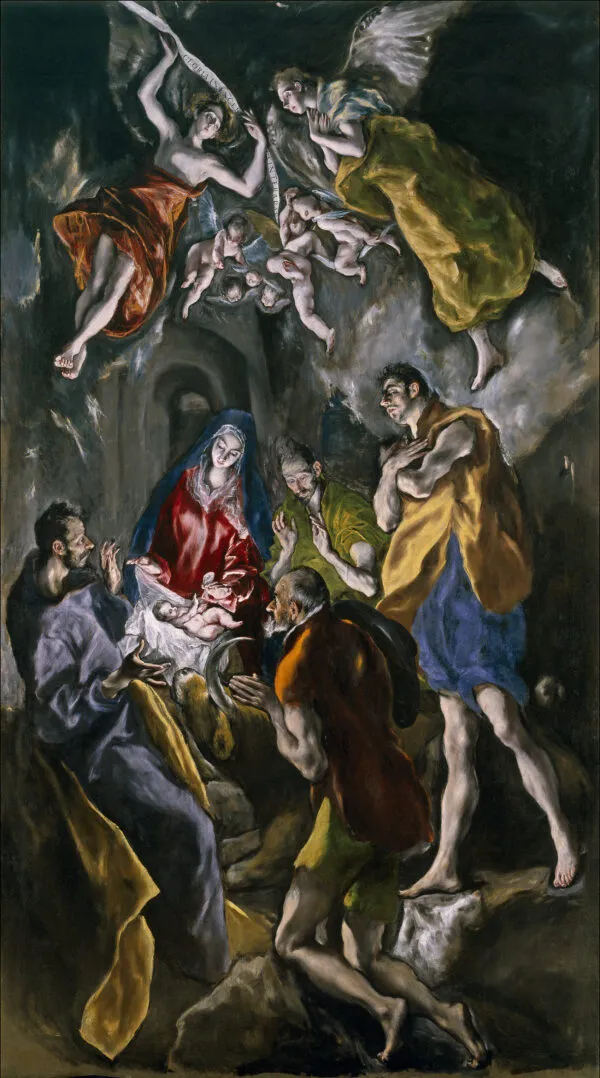
Adoration of the Shepherds
El Grecofrom €136,00 – €1 134,00 -
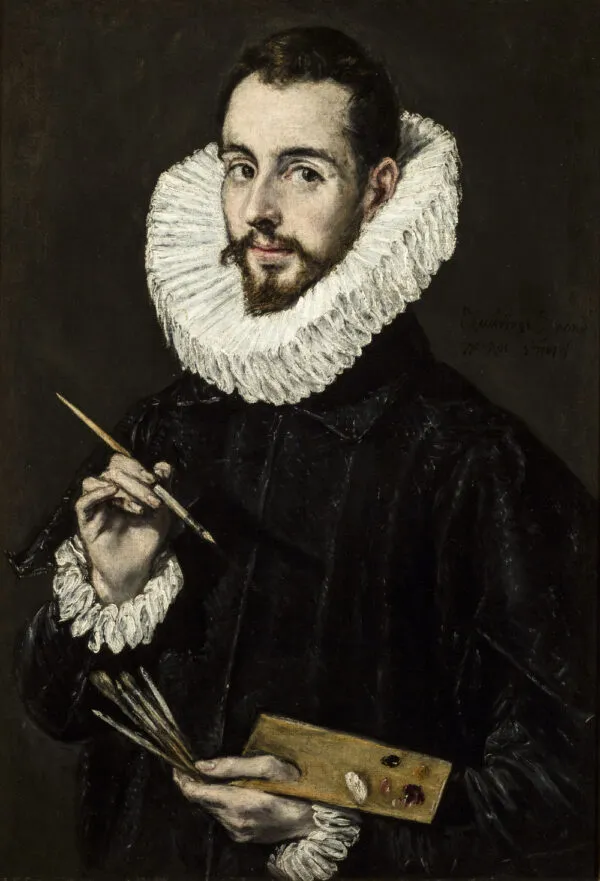
Portrait of Jorge Manuel Theotocópuli
El Grecofrom €110,00 – €926,00 -
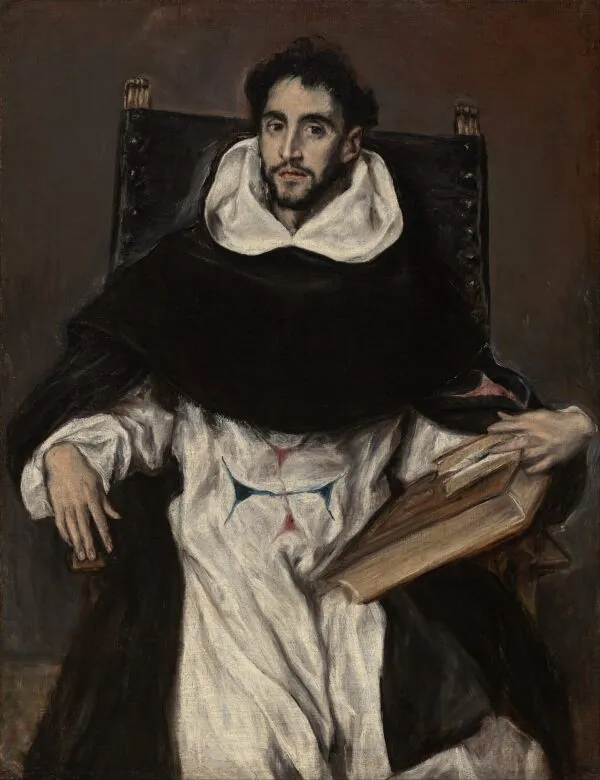
Fray Hortensio Félix Paravicino
El Grecofrom €98,00 – €820,00 -
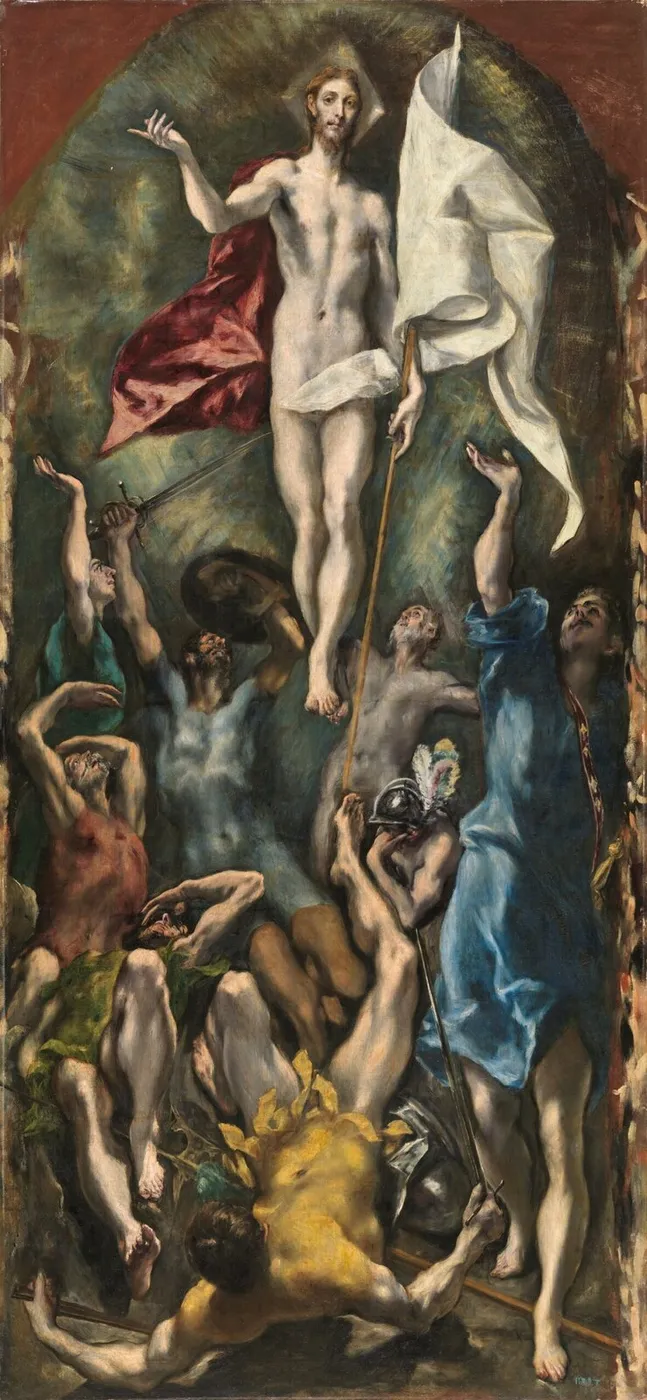
The Resurrection
El Grecofrom €164,00 – €1 367,00 -
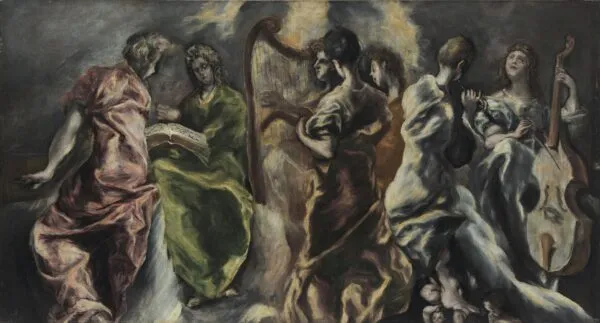
The Concert of the Angels
El Grecofrom €142,00 – €1 172,00
Paintings by El Greco available to order
Any of these can be painted for you by hand. Tell us which one and the size you want, and we will send a quote within 48 hours.
- The Burial of the Count of Orgaz
- View of Toledo
- The Disrobing of Christ
- Opening of the Fifth Seal
- The Nobleman with his Hand on his Chest
- Laocoön
- Saint Martin and the Beggar
- Adoration of the Shepherds